
The web’s changed a lot since the days of fixed-width layouts and “best viewed on Internet Explorer” banners. Now, people are jumping between phones, tablets, desktops, and foldables like it’s nothing. And they expect every site to just work!
That’s where responsive web design (RWD) comes in: Layouts that adapt, content that flexes, experiences that don’t fall apart the moment someone rotates their screen. But how do you make your website work next year and beyond?
Don't worry; This page serves as your responsive web design update in 2026 for every small business. Read on to learn how to build a website that works everywhere.

The HVAC industry faces intense competition, and an increasing number of people are seeking systems that consume less energy. Businesses must be able to adapt quickly to keep pace with emerging technology and evolving customer needs. To be successful, you need to find a balance between quality, speed, and cost.
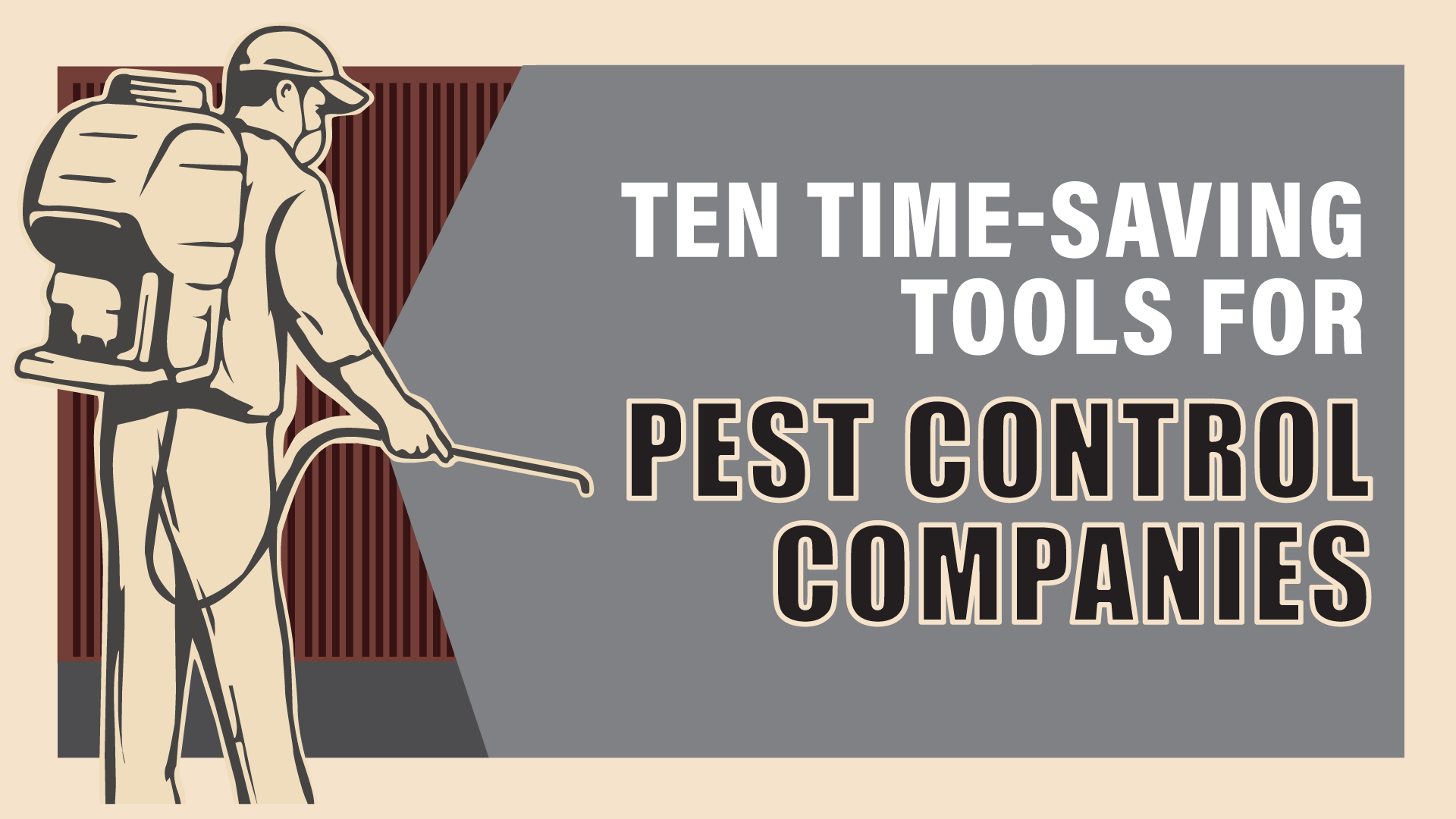
As a pest control business owner, you might view technology as just another thing bugging you—pun intended. Between managing routes, crews, chemical inventory, and emergency calls, who has time to figure out complicated software?
The truth is, you don't need to be tech-savvy to benefit from simple digital tools that can make running your extermination business significantly easier. Many pest control companies continue to rely on paper route sheets, manual scheduling, and phone tag because that's what feels comfortable.
But here's the reality: the right technology tools can help you win more jobs, reduce headaches, and put more money in your pocket—without requiring a computer science degree. When Mrs. Johnson calls at 10 PM because she found mice in her kitchen, or when ant season hits and your phone won't stop ringing, these tools keep you organized and professional.
This guide cuts through the tech jargon to show you practical tools that solve real problems for pest control businesses. Whether you handle residential treatments, commercial accounts, or emergency infestations, these solutions are designed for busy exterminators who need simplicity and results.
Let's debug your business operations and eliminate the inefficiencies that are eating into your profits.

Written By: Chad J. Treadway | October 23, 2025
Chad is a Partner and our Chief Smarketing Officer. He will help you survey your small business needs, educating you on your options before suggesting any solution. Chad is passionate about rural marketing in the United States and North Carolina. He also has several certifications through HubSpot to better assist you with your internet and inbound marketing.

Let's be brutally honest: if you're a home service business owner throwing money at Facebook ads and posting random before-and-after photos hoping something sticks, you're probably bleeding cash right now. And you're not alone. A staggering 75% of performance marketers are watching their social media ROI circle the drain in 2025, despite spending more than ever before, according to a comprehensive study by Taboola and Qualtrics. That's not because social media is dead—it's because the playbook everyone's been using is completely outdated.
Picture this: It's 7 AM, and you're already dealing with a burst pipe emergency while your competitor's Instagram Reel about "5 Signs Your HVAC System Needs Attention" is going viral. Meanwhile, your last Facebook post got three likes (one from your mom), and you're wondering if you should just give up on social media entirely. Trust me, I've been there with my home service and pest control clients. The frustration is real, and the old advice isn't working anymore.
Here's what's actually happening in 2025: We've hit peak social media saturation. With 65.7% of the global population now on social platforms and users bouncing between an average of 6.83 different platforms monthly, everyone is screaming for attention in an increasingly crowded room. (Sources: Global Digital Insights and Backlinko) The algorithms have evolved, consumer behavior has shifted, and the tactics that worked in 2022 are now costing you leads instead of generating them.
The numbers tell the story: industry forecasts predict that global social media ad spend will hit $276.7 billion in 2025, but performance is declining. WordStream LocaliQ's 2025 Facebook Ads Benchmarks revealed that Facebook's average cost per lead surged 21% year-over-year to $27.66, while conversion rates dropped from 8.67% to 7.72%. Meanwhile, Hootsuite's Social Media Consumer 2024 Survey found that 62% of consumers are less likely to engage with or trust content they find on social media if they knew it was generated using AI, yet brands keep pumping out generic, automated posts that feel fake.
But here's the thing—while 93% of marketers are doubling down on more of the same failed strategies, the smart ones are pivoting to what actually works now. They're leveraging the $32.55 billion creator economy, understanding platform-specific ROI (LinkedIn's 113% ROAS for B2B, TikTok's 2.4x for younger homeowners), and positioning themselves for the massive search engine disruption coming in 2026. (Source: Influencer Marketing, Dreamdata, and Gupta Media)
I've spent years helping pest control companies turn their social media from a money pit into a lead-generation machine, and the same principles apply whether you're dealing with roaches or leaky roofs. The businesses thriving right now aren't just posting more—they're posting smarter. They understand that in 2025, authenticity beats automation, micro-influencers crush mega-budgets, and platform-specific strategies matter more than ever.
This isn't another generic "post consistently and use hashtags" guide. This is a reality check on what's actually driving calls, bookings, and revenue for home service businesses in 2025's brutally competitive social landscape. We're going to tear apart the four pillars that separate the businesses making bank from social media from those watching their ad spend evaporate.
Ready to stop wasting money and start generating actual leads? Let's fix your social media strategy before your competitors figure this out.

Written By: Hannah Kilpatrick | October 23, 2025
Hannah Kilpatrick Cube Creative DesignHannah Kilpatrick graduated from Western Carolina University in 2021 with a Bachelor of Science in Communication with a Minor in Marketing and a Concentration in Public Relations. She has been around social media since its creation. (Meaning, she was in the first grade when Facebook became available to the general public.) As our very own professional Gen-Z, Hannah is a whiz when it comes to social media creation and paid advertising.